Breath Easy this Sick Season.
Your child’s laughter and health are priceless, and nothing should come in the way, not even Respiratory Syncytial Virus (RSV). With the RSV vaccine, you’re not just protecting them; you’re ensuring those precious giggles continue uninterrupted.
Embrace the peace of mind that comes with prevention and let your family breathe easy, knowing your little one is safeguarded.
What is RSV?
Respiratory syncytial virus, or RSV, is a common respiratory virus that usually causes mild, cold-like symptoms.
Learn More
Who's Eligible for the RSV vaccine?
Discover if your child can receive the RSV vaccine and take a step towards safeguarding their health today.
Learn More
Where can I find the RSV vaccine for my child?
Find out where to get the RSV vaccine near you and ensure your child’s protection against RSV.
Learn More
What is RSV?
Respiratory syncytial virus, or RSV, is a common respiratory virus that usually causes mild, cold-like symptoms. The Centers for Disease Control (CDC) found most people recover in about a week or two but warn that RSV can be serious and contagious.
Symptoms of RSV
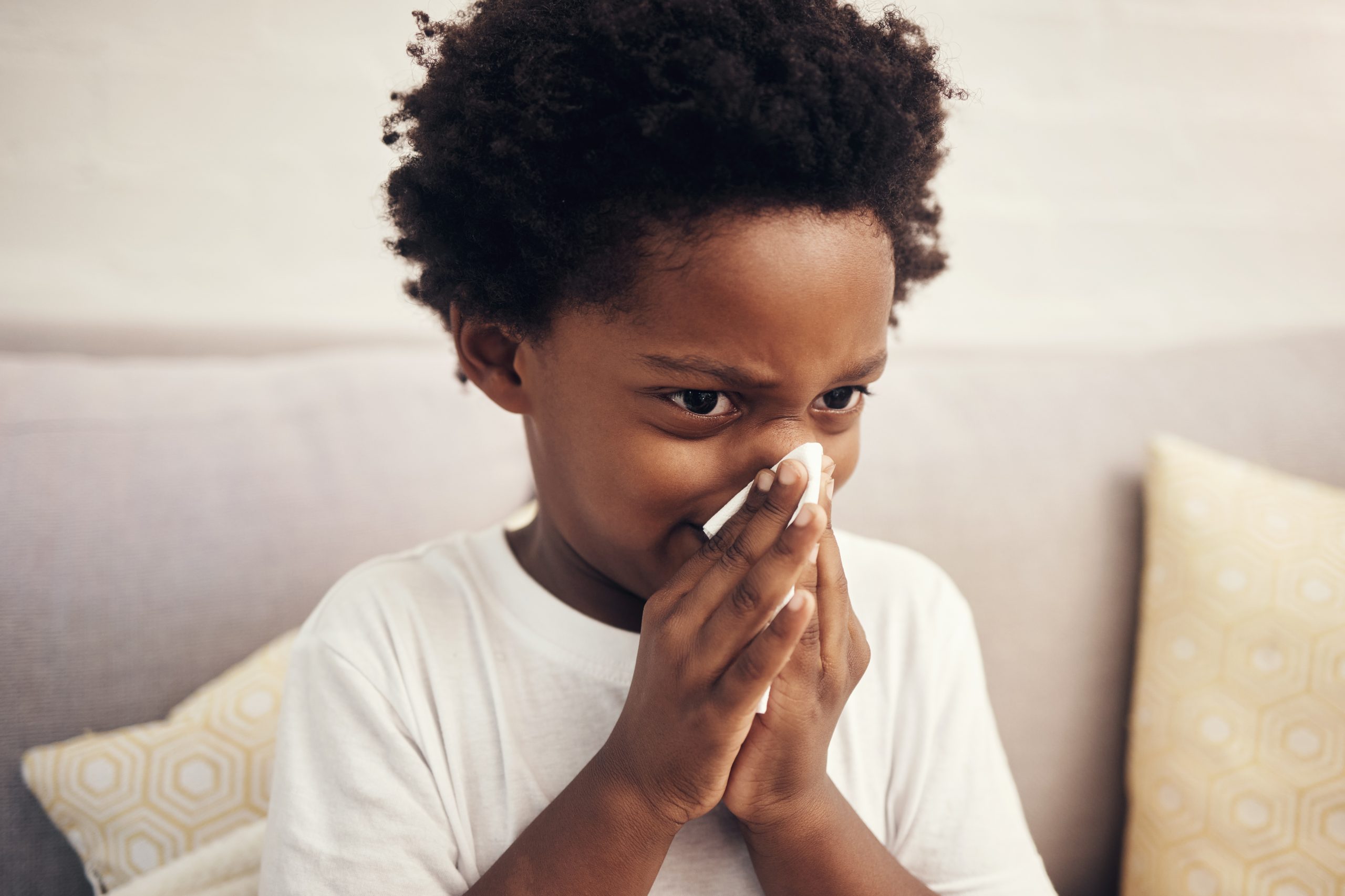
People infected with RSV usually show symptoms within 4 to 6 days after getting infected – they can appear in stages and not all at once. Symptoms of RSV infection usually include:
- Runny nose
- Decrease in appetite
- Coughing
- Sneezing
- Fever
In Severe Cases
- Wheezing — a high-pitched noise often heard on breathing out (exhaling)
- Rapid breathing or difficulty breathing
- Bluish color of the skin due to lack of oxygen (cyanosis)
In very young infants with RSV, the only symptoms may be:
- Irritability
- Decreased activity
- Breathing difficulties
Who is eligible for the RSV Vaccine?
Respiratory syncytial virus, or RSV, is a common respiratory virus that usually causes mild, cold-like symptoms. The Centers for Disease Control (CDC) found most people recover in about a week or two but warn that RSV can be serious and contagious.
Answer these questions to see if your child is eligible for the RSV vaccine.
- Wash your hands often
Wash your hands often with soap and water for at least 20 seconds, and help young children do the same. If soap and water are not available, use an alcohol-based hand sanitizer. Washing your hands will help protect you from germs. - Avoid touching your face with unwashed hands
Avoid touching your eyes, nose, and mouth with unwashed hands. Germs spread this way. - Avoid close contact with sick people
Avoid close contact, such as kissing, and sharing cups or eating utensils with people who have cold-like symptoms. - Cover your coughs and sneezes
Cover your mouth and nose with a tissue or your upper shirt sleeve when coughing or sneezing. Throw the tissue in the trash afterward. - Clean frequently touched surfaces
Clean surfaces and objects that people frequently touch, such as toys, doorknobs, and mobile devices. When people infected with RSV touch surfaces and objects, they can leave behind germs. Also, when they cough or sneeze, droplets containing germs can land on surfaces and objects. - Stay home when you are sick
If possible, stay home from work, school, and public areas when you are sick. This will help protect others from catching your illness.
FAQs
What is RSV, and why is it important to vaccinate against it?
RSV (Respiratory Syncytial Virus) is a common respiratory virus that can cause serious illness, particularly in infants and young children. Vaccination helps prevent severe RSV-related complications such as bronchiolitis and pneumonia.
Who should receive the Pediatric RSV vaccine?
The Pediatric RSV vaccine is recommended for certain groups, including infants born prematurely and those with certain medical conditions. Consult with a healthcare provider to determine eligibility.
Is the Pediatric RSV vaccine safe for infants and young children?
Both the CDC and WHO have determined that the Pediatric RSV vaccine is safe and effective for use in infants and young children when administered according to recommended guidelines.
What are the common side effects of the Pediatric RSV vaccine?
Common side effects of the Pediatric RSV vaccine may include mild fever, irritability, and soreness at the injection site. These side effects are usually mild and temporary.
Is the Pediatric RSV vaccine recommended for pregnant women?
Currently, there is no Pediatric RSV vaccine approved for use in pregnant women. However, pregnant women should take steps to protect themselves from RSV exposure, as it can pose risks to newborns.
How many doses of the Pediatric RSV vaccine are required, and at what intervals?
The number of doses and intervals for the Pediatric RSV vaccine may vary based on factors such as age and medical history. Healthcare providers can provide specific guidance on the recommended dosing schedule.
Is the Pediatric RSV vaccine covered by insurance or available through public health programs?
Coverage for the Pediatric RSV vaccine may vary depending on insurance plans and public health programs. It’s recommended to check with insurance providers or local health departments for information on coverage and availability.
Can children who have already had RSV benefit from the Pediatric RSV vaccine?
Yes, the Pediatric RSV vaccine can still provide benefits for children who have previously had RSV infections by helping to prevent future occurrences or reduce the severity of symptoms.
Are there any contraindications to receiving the Pediatric RSV vaccine?
Certain medical conditions or allergies may contraindicate the use of the Pediatric RSV vaccine. It’s important to discuss any existing health conditions or concerns with a healthcare provider before vaccination.
Where can I find more information about the Pediatric RSV vaccine?
Additional information about the Pediatric RSV vaccine can be obtained from reputable sources such as the CDC and WHO websites, as well as through consultation with healthcare professionals.
Our Partners